
Shorter reads from the book and the papers
The mind. The seats. The file door. The language. Written so you want it — then you can read the proof.
The get
4 lines · the bookThe problem the market already pays for
→You pay a brilliant amnesiac. It forgets Monday — then bills you to remember it.
docs/gtms/09-raise/BUSINESS-PLAN-INVESTOR.md §1
Read the article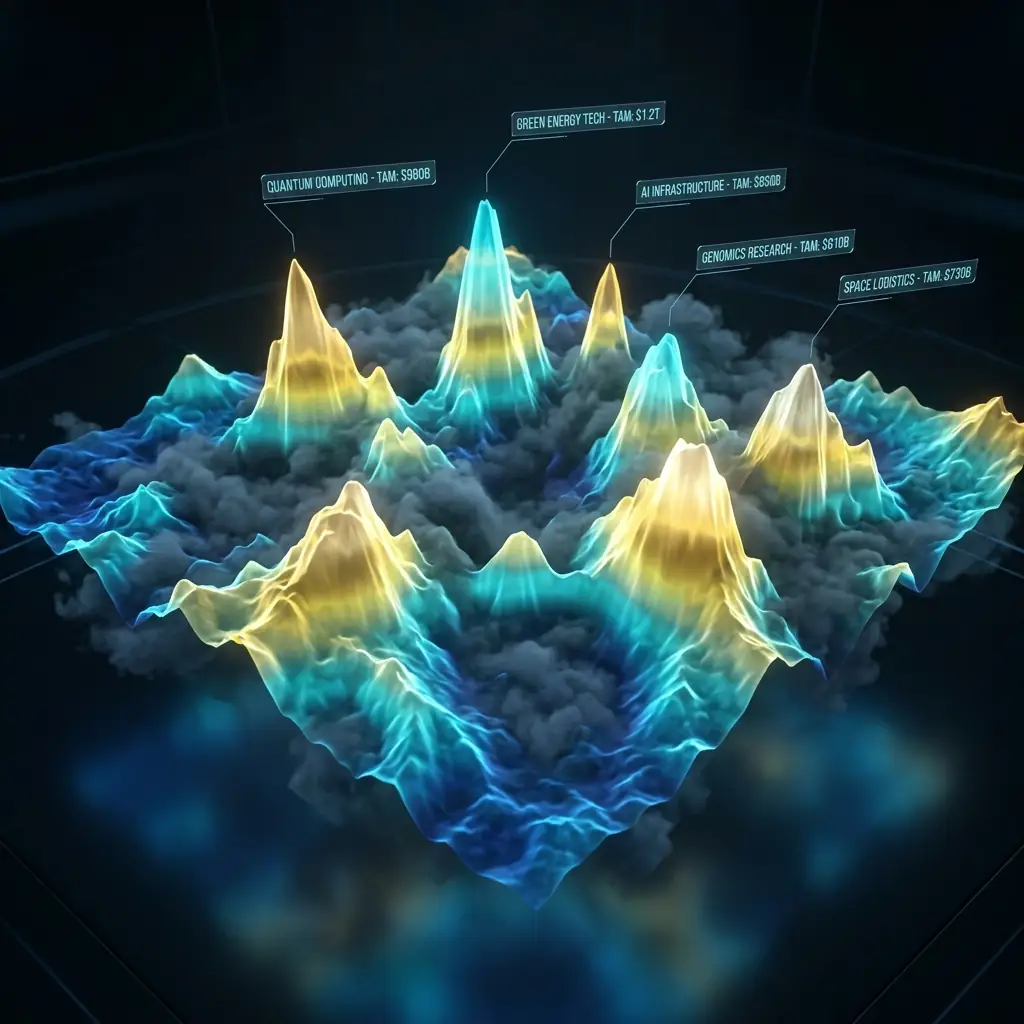
Write a fact once. Get the same fact back.
→Write it once. Get the same fact back — the original, not a cousin.
docs/gtms/09-raise/BUSINESS-PLAN-INVESTOR.md §2
Read the article
Why the incumbents have to start over
→Clone the chat window. You still don’t have a mind.
docs/gtms/09-raise/BUSINESS-PLAN-INVESTOR.md §3
Read the article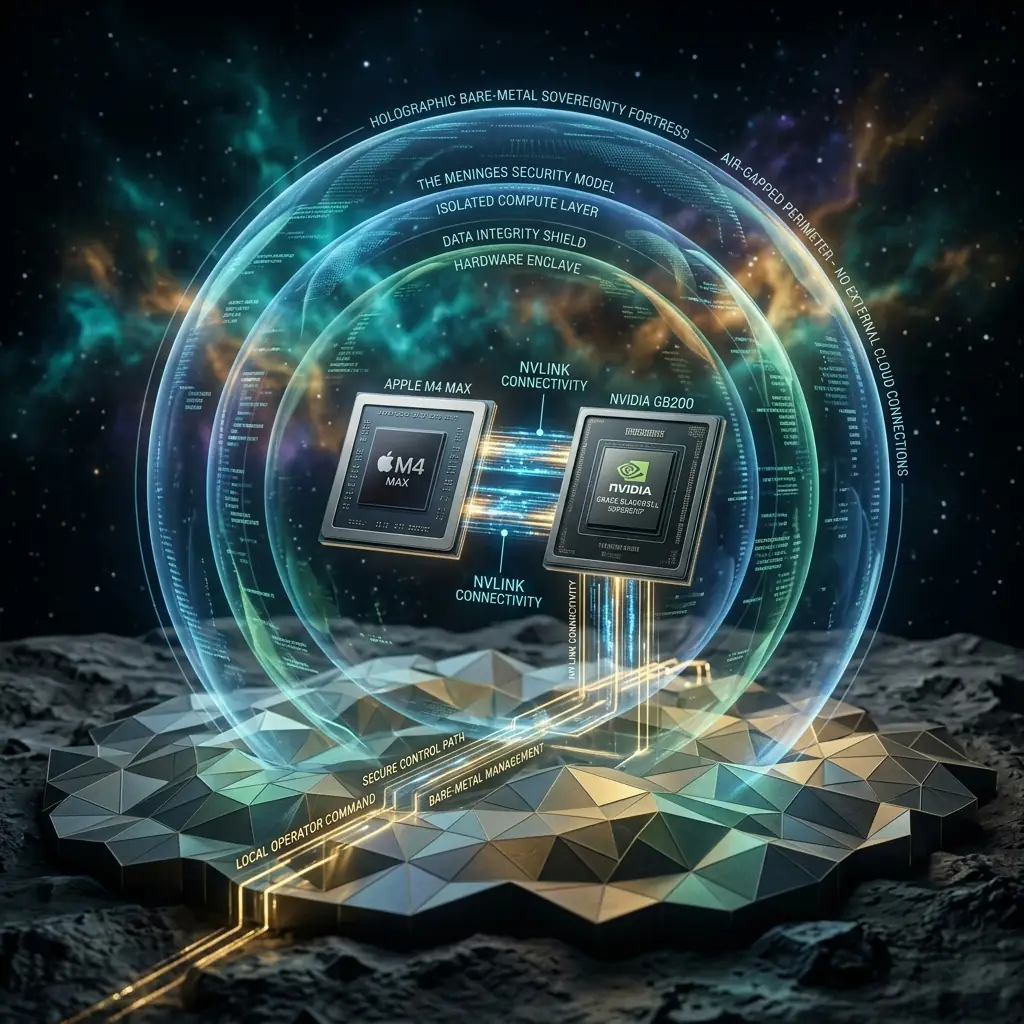
The infrastructure under the memory
→When the contract ends, the memory stays in the building.
docs/gtms/09-raise/BUSINESS-PLAN-INVESTOR.md §4
Read the article
The room
4 lines · economics to invoiceUnit economics
→Reading your own past should not cost a token.
docs/gtms/09-raise/BUSINESS-PLAN-INVESTOR.md §5
Read the article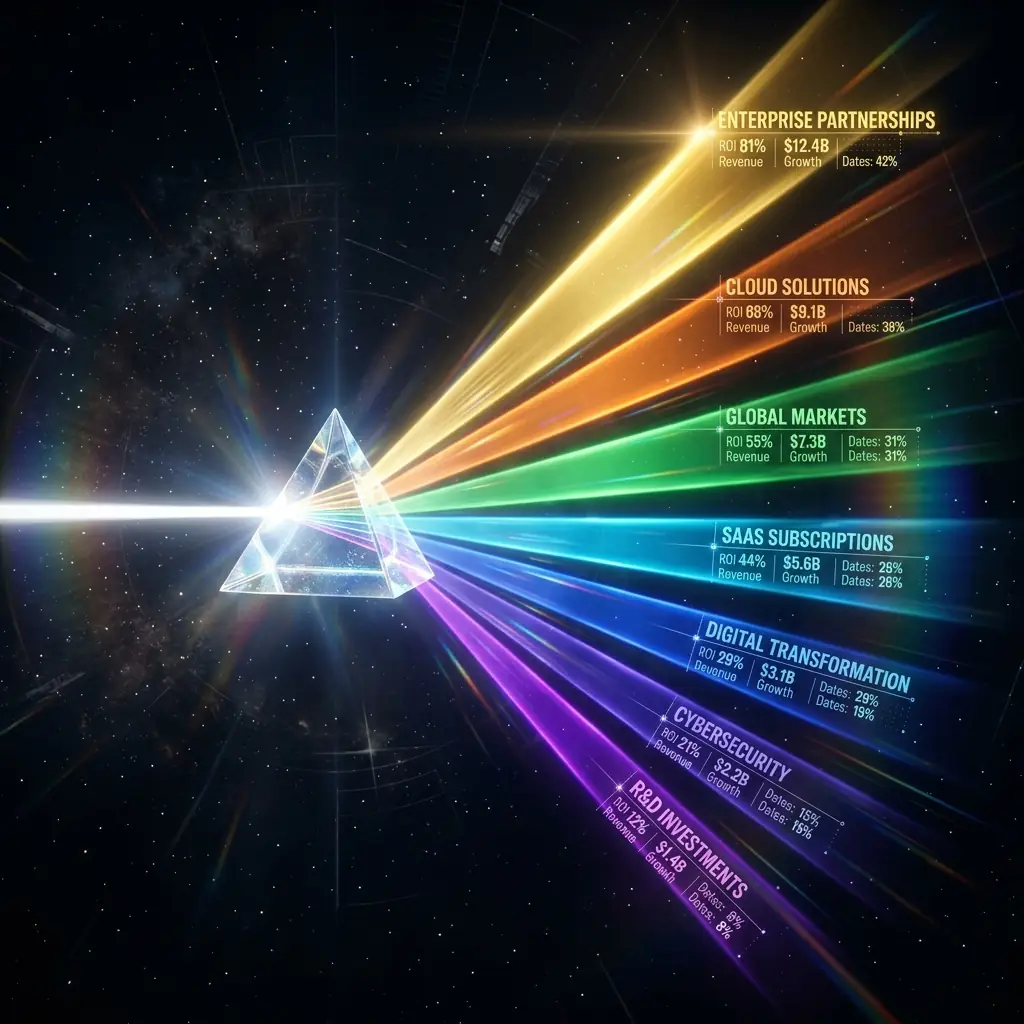
Go to market
→NDA. Proof on their floor. Then they own the archive.
docs/gtms/09-raise/BUSINESS-PLAN-INVESTOR.md §9
Read the article
The market we can take
→We take the check they already write — not a science project beside it.
docs/gtms/09-raise/BUSINESS-PLAN-INVESTOR.md §10
Read the article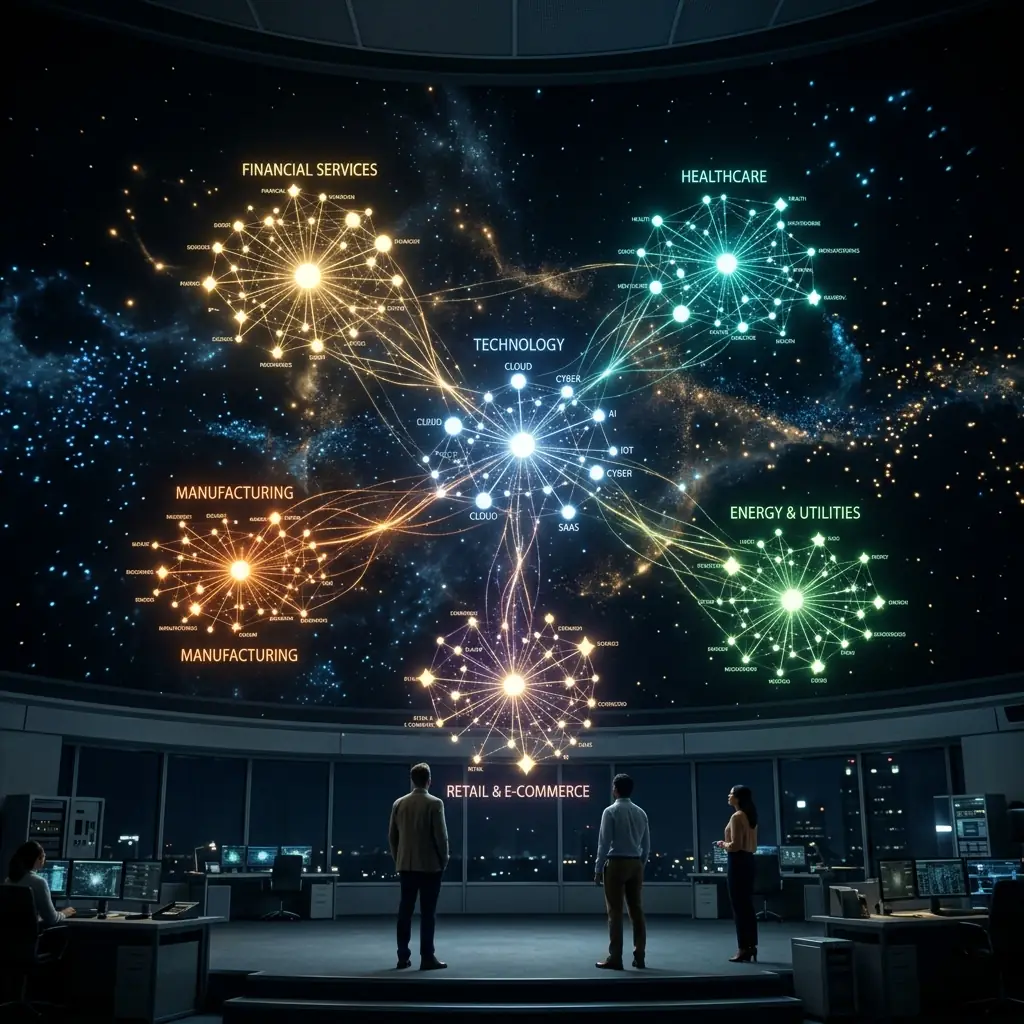
The budget we take first
→The CIO already defends a rented stack. We take that invoice.
docs/gtms/09-raise/BUSINESS-PLAN-INVESTOR.md §11
Read the article
The $20 million
3 lines · ask, plan, Series AUse of funds
→Eighty-five percent builds the factory that puts memory on their floor.
docs/gtms/09-raise/BUSINESS-PLAN-INVESTOR.md §13 · COMPANY-UOF-20M.md
Read the article
Financial summary
→The model that gets the first minds into buildings.
docs/gtms/09-raise/BUSINESS-PLAN-INVESTOR.md §12
Read the article
The $20 million and Series A
→Twenty million gets the first customers live. Then the machine scales.
docs/gtms/09-raise/BUSINESS-PLAN-INVESTOR.md §13 + §15
Read the article
Lattice
The mind and its residentsE8-SSII
→Your company finally has an address in the universe.
docs/whitepaper-e8-ssii/chapters/ch01_introduction.md
Read the article
AMMA–ABBA
→She already knows you. He will not let anyone rewrite her.
docs/whitepaper-amma-abba/chapters/ch01_introduction.md
Read the article
C-suite
Ten seats on one archiveCEO Entity
→Monday’s strategy — still in the room on Friday.
docs/whitepaper-ceo-entity/chapters/ch01.md
Read the articleCFO Entity
→The number from the last board. Not a guess. The number.
docs/whitepaper-cfo-entity/chapters/ch01.md
Read the articleCIO Entity
→Stop renting a brain that forgets you.
docs/whitepaper-cio-entity/chapters/ch01.md
Read the articleCHRO Entity
→The hallway rumor dies. The record stays.
docs/whitepaper-chro-entity/chapters/ch01.md
Read the article
CLO Entity
→Counsel asks for the signed one. This is the signed one.
docs/whitepaper-clo-entity/chapters/ch01.md
Read the article
CMO Entity
→The line you shipped. The line you killed. Both still here.
docs/whitepaper-cmo-entity/chapters/ch01.md
Read the articleCOO Entity
→The last proof. Still warm. Still true.
docs/whitepaper-coo-entity/chapters/ch01.md
Read the articleCPO Entity
→Clone the window. You still don’t have a mind.
docs/whitepaper-cpo-entity/chapters/ch01.md
Read the article
CSO Entity
→If someone rewrote the past, you would know.
docs/whitepaper-cso-entity/chapters/ch01.md
Read the article
CTO Entity
→The decision that built the stack — still in frame.
docs/whitepaper-cto-entity/chapters/ch01.md
Read the article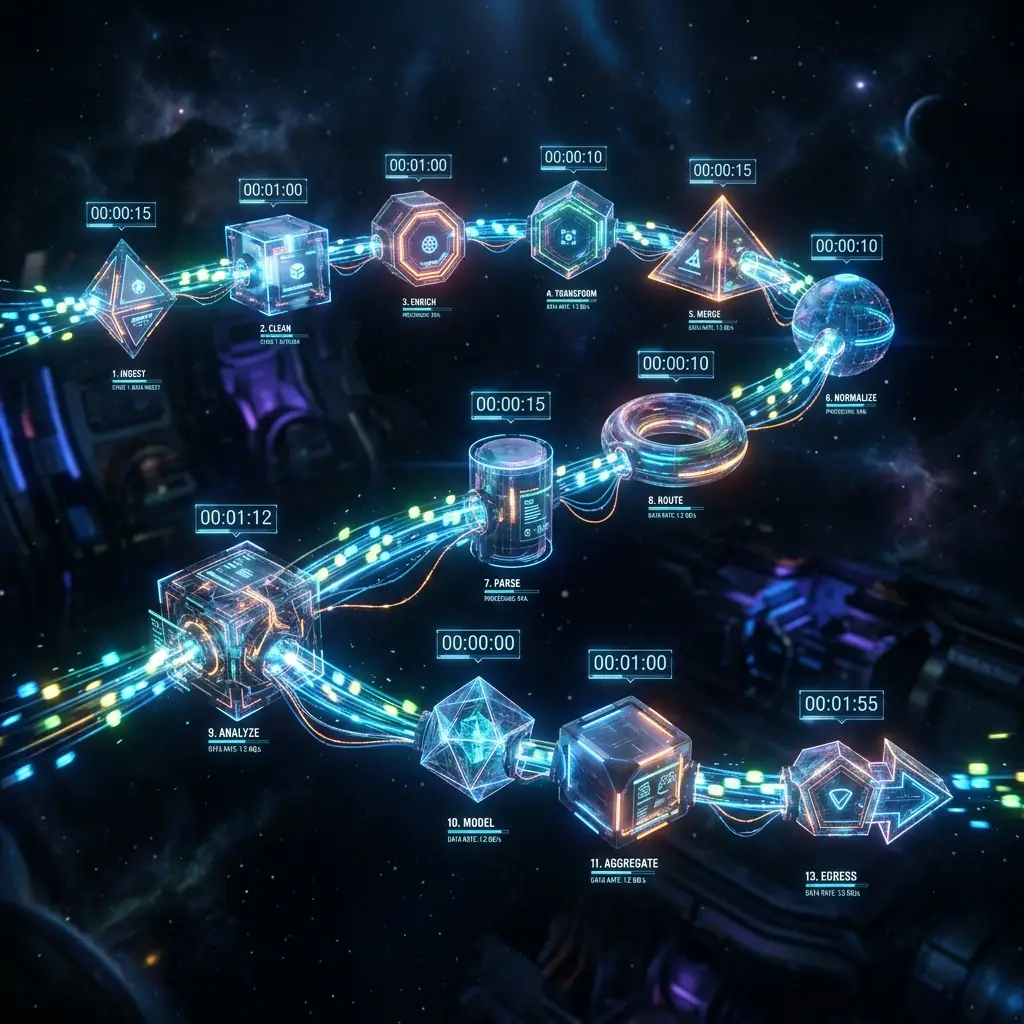
Factory
The engine roomEngine Architecture
→1,647 precise motions. One mind.
docs/whitepaper-engines/chapters/ch01.md
Read the article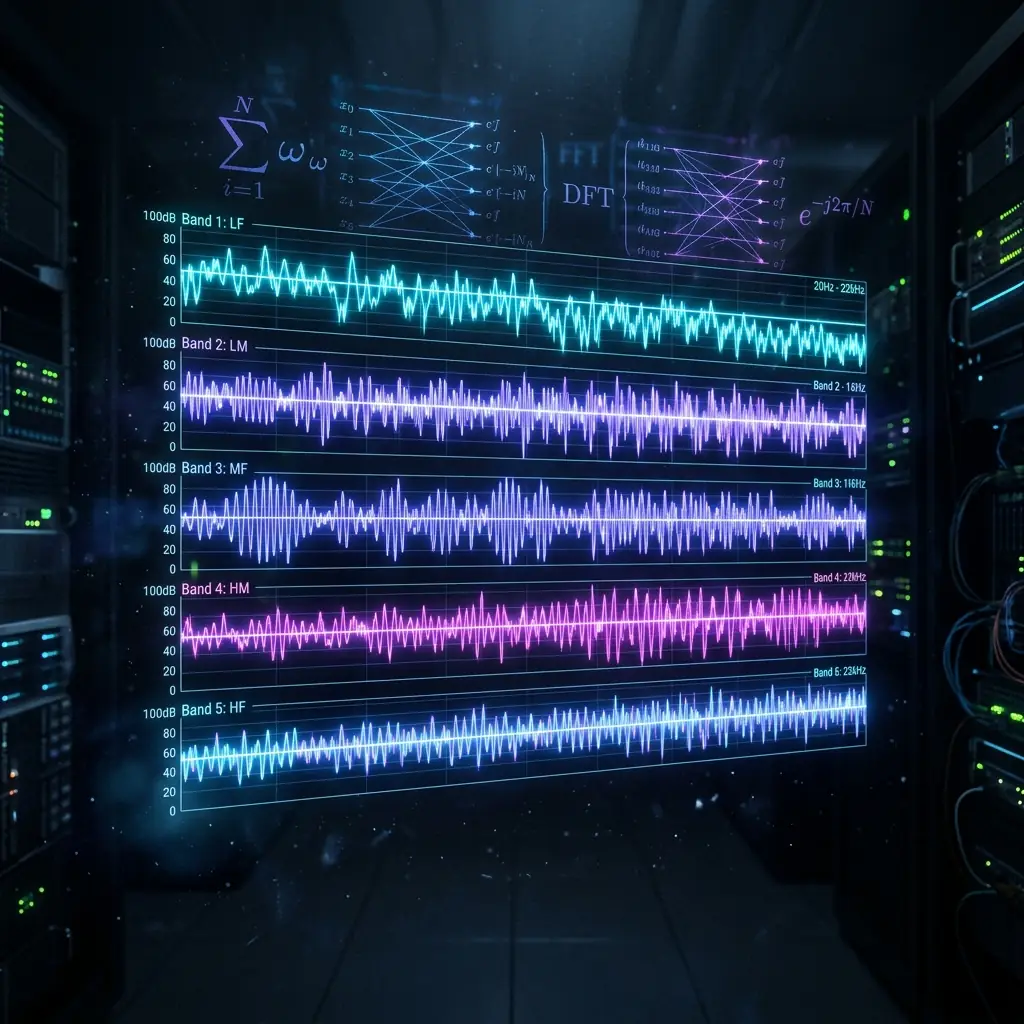
Engine Forge and Colosseum
→It invents the next muscle. Then it races it.
docs/whitepaper-engine-forge/chapters/ch01.md
Read the articleThoth
→The paper writes itself while the code is still hot.
docs/whitepaper-thoth/chapters/ch01.md
Read the article
Sheshat
→It catches the lie before the lie becomes a fact.
docs/whitepaper-sheshat/chapters/ch01.md
Read the article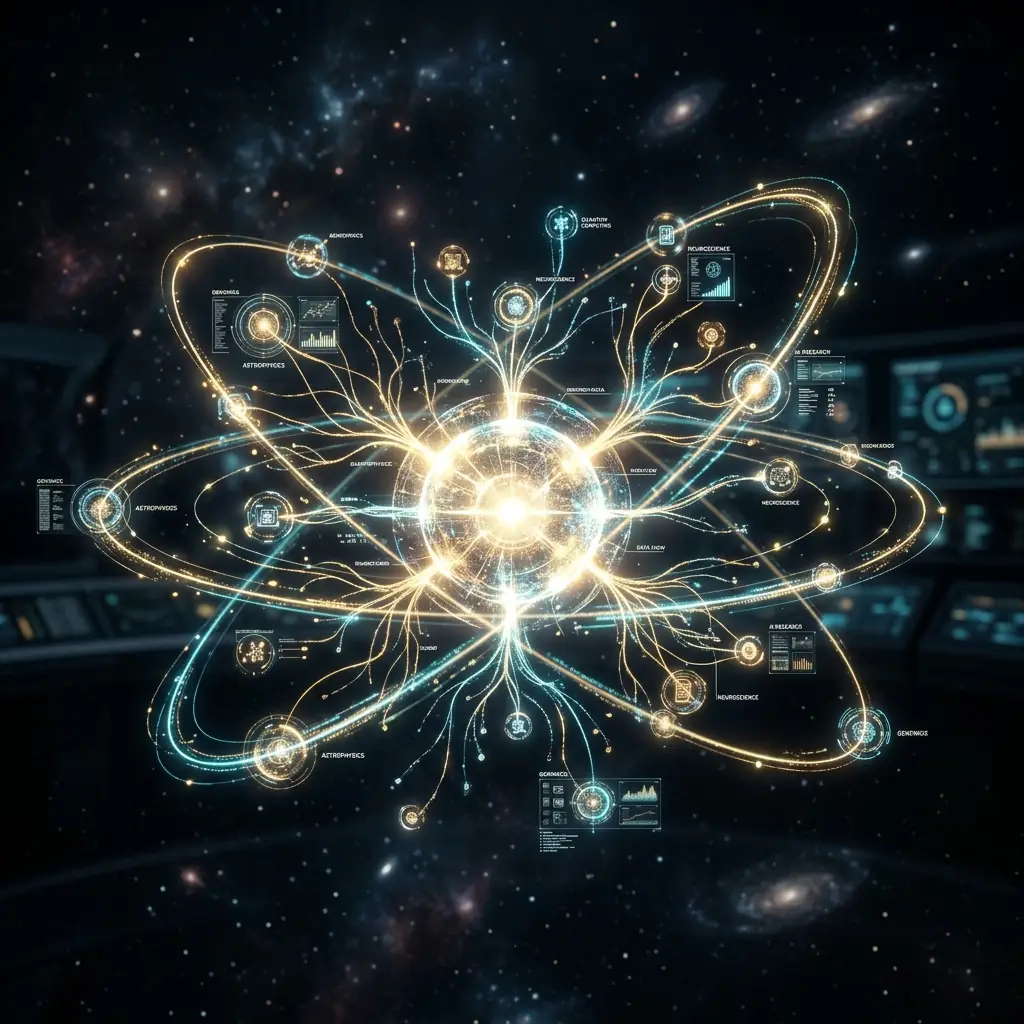
Team Leader
→Sick nodes don’t get work. Heal first.
docs/whitepaper-team-leader/chapters/ch01.md
Read the article
Kronos
→Ask the machine what was true that Tuesday.
docs/whitepaper-kronos/chapters/ch01.md
Read the article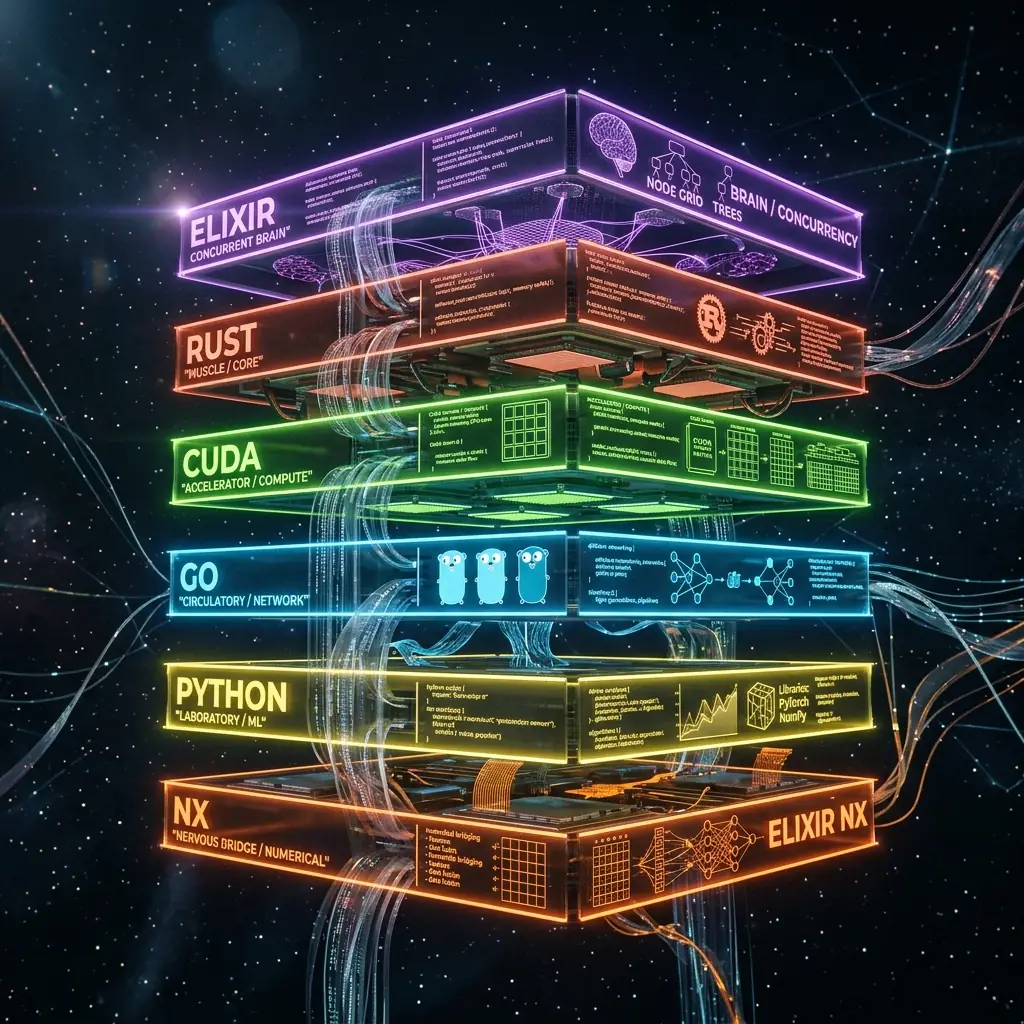
FMPO
→Nothing in the palace is junk. The get is exact.
docs/whitepaper-fmpo/chapters/ch01.md
Read the article
Language + mesh ops
Language, guard, wiring, cockpitSecurity Bouncer
→It doesn’t log the break-in. It hits back.
docs/whitepaper-security-bouncer/chapters/ch01.md
Read the article
Mycelium Mesher
→No king. The fabric draws itself.
docs/whitepaper-mycelium-mesher/chapters/ch01.md
Read the article
LUV
→Type. Physics. Hardware. One sentence.
docs/whitepaper-luv/chapters/ch01_motivation.md
Read the article
Akosha
→Ten executives who never forget Monday.
docs/whitepaper-akosha/chapters/ch01.md
Read the article
Research doors
The next physicsSpacetime Folding
→The maze becomes a path.
docs/whitepaper-spacetime-fold/chapters/ch01.md
Read the article
NeoDrive
→Ask for the contract. Get the one you signed.
docs/whitepaper-neodrive/chapters/ch01.md
Read the article
Living Mesh
→Cut the cable. It sleeps. It does not die.
docs/whitepaper-mycelium-mesh/chapters/ch01.md
Read the article